Mustang Power
|
Trunk And Core Work
Core conditioning revolves around training the stabilizing muscles of the abdomen and trunk. It develops functional strength for high performance versus aesthetic purposes. Core training does not concentrate on one section of the abdomen but works the entire trunk. The role of core conditioning is to reduce the waste of energy and maximize its transfer from the lower to upper body. The stronger your core is, the less energy it takes to stabilize the core as well as transfer energy. Core conditioning applies to all movements which require quickness, agility, power, and speed. A stronger core allows an athlete to change direction more quickly and decelerate faster.
Core Stability- the ability to contract the lower deep abdominal
muscles to help support the trunk in dynamic and static positions,
enhancing balance, stability, posture and movement efficiency.
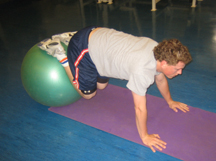
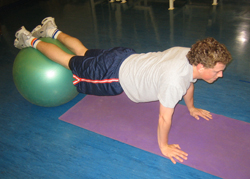
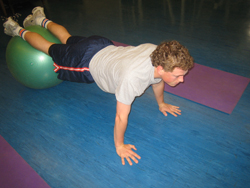
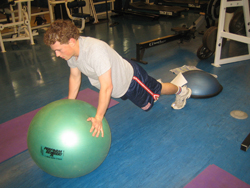
4 pt. Stabilization 2 pt. Stabilization Push-up Position
Core Strength- the ability to exert a maximum amount of force from the core. Key Points:
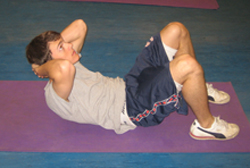
Regular Crunches
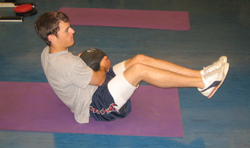
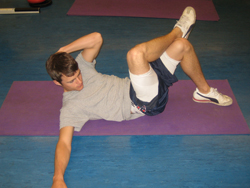
Oblique Twists
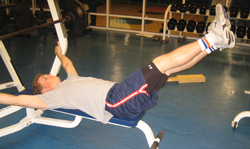
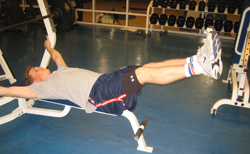
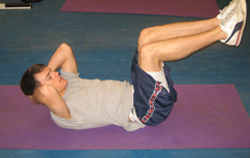
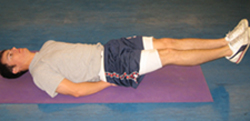
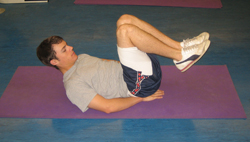
Reverse Crunch Position 1 Position
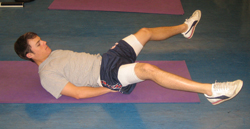
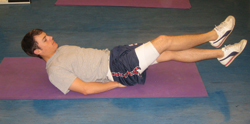
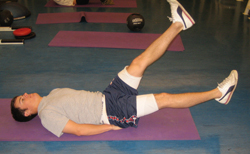
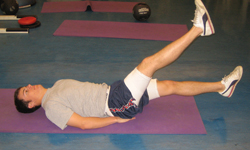
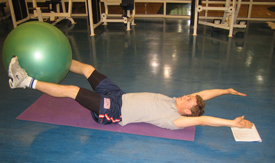
2 Scissors First Variation Position 1 Position 2 Second Variation Position 1 Position 2
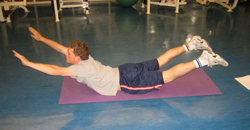
V-Twists Position 1 Position 2 Superman's
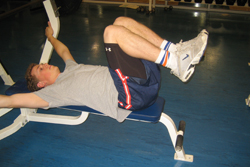
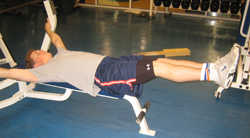
32/40’s Position 1- Dips Position 2 - Dips Position 3- 360 Revolution Position 4 - 360 Revolution Captain's Chair
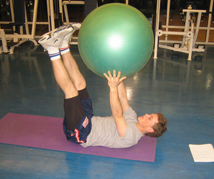
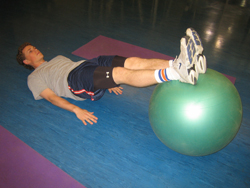
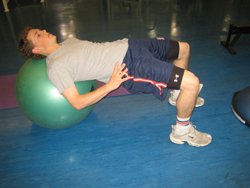
Reverse Crunch on Physioball Position 1 Position
2 Stir The Soup
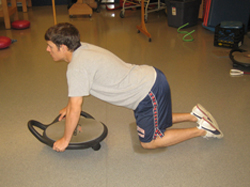
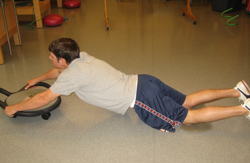
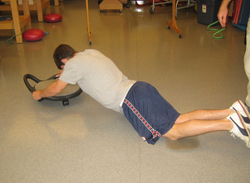
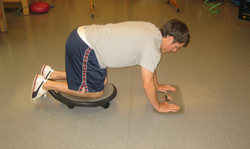
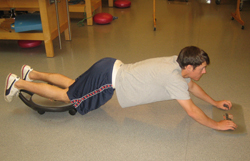
Ab Dolly Position 1 - Forward Lunge Position 2 - Forward Lunge Position 1 - Side Lunge Position 2 - Side Lunge Variation on Ab Dolly - Position 1 Variation on Ab Dolly - Position 2
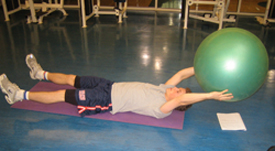
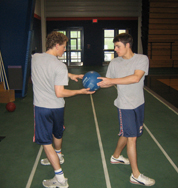
Dead Bugs Position 1 Position 2 Position 3 Trunk Twists with Partner Position 1 Position 2 Core Power- the ability of a muscle to function with both speed and strength. Key Points
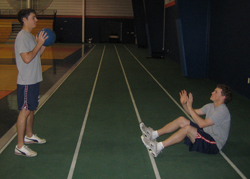
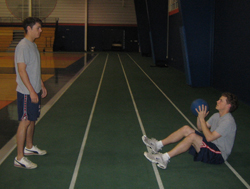
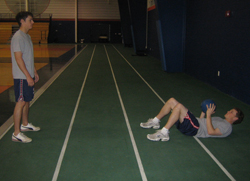
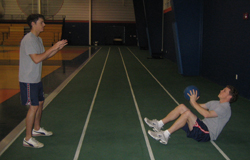
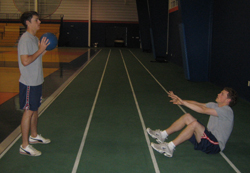
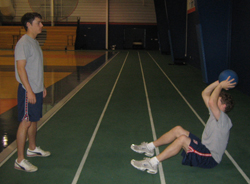
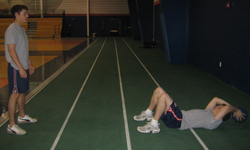
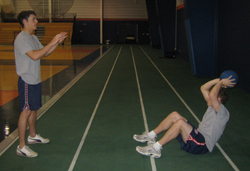
Position 1 Position 2 Position 3 Position 4 Position 5 Med Ball Overhead Pass Sit-ups Position 1 Position 2 Position 3 Position 4 Position 5
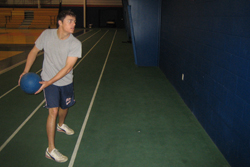
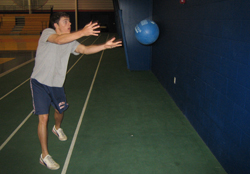
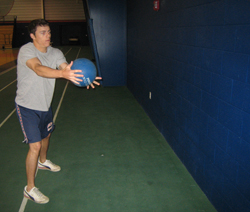
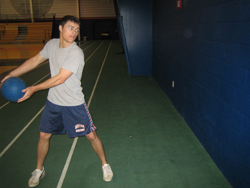
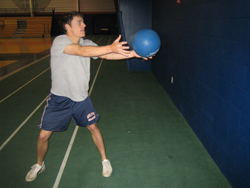
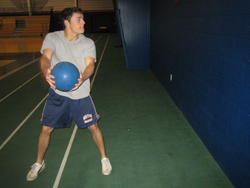
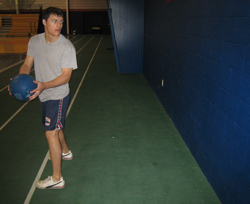
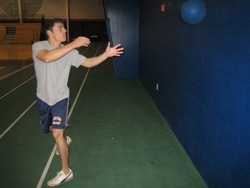
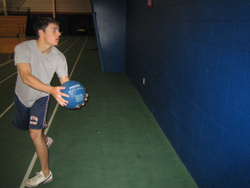
High Velocity Med Ball Throws Against a Wall Lateral Underhand Facing the Wall L & R Position 1 Position 2 Position 3 Lateral Perpendicular to the Wall L& R Position 1 Position 2 Position 3 Back Facing the Wall L & R Position 1 Position 2 Position 3
|


 ,
,